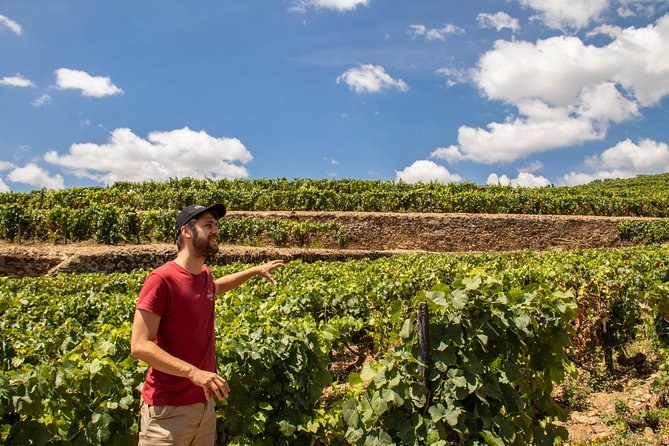
Complete Douro Valley Wine Tour with Lunch, Wine Tastings and River Cruise
Two working estates in September, with the cellar in full use as you walk it.
From $117 per person
For four weeks from early September the Douro stops performing and starts working. The vindima is the best time to be here and the hardest to book, and a day tour in September is not the same thing as a harvest experience. Here is the difference.
Early September to early October, concentrated between about the 15th of September and the 5th of October. It is not a fixed date. Quintas track sugar levels daily through late August and the call to start picking comes when the numbers say so, sometimes at 48 hours' notice.
Lower, hotter parcels near the river go first; higher-altitude vineyards follow a week or two later. That stagger is why the season lasts a month rather than a fortnight.
Because no machine can climb a terrace. The walled steps that make the valley look the way it does hold two or three rows of vine on ground too steep and too narrow for a harvester, so the fruit comes off in baskets carried by people. In a region of roughly 20,000 growers farming an average of two hectares each, that is a great many people at once.
It is the single most direct answer to the question of why Douro wine costs what it does.
Working estates rather than quiet ones. Tractors on the roads, fruit arriving in the lagares, the smell of fermentation in buildings that are usually just cool and empty. Guides have more to point at and the visits run longer on substance.
What it does not give you is participation. No captured departure in this set puts you in a lagar or a vineyard row with a basket. A September day tour is a visit to a working farm, which is genuinely better than a visit to a quiet one — but it is a visit.
Yes, but not on a day trip. Harvest-participation packages are sold by the quintas themselves, usually as an overnight or multi-night stay: you pick in the morning, tread grapes in a lagar in the evening, and eat with the team. They book out months ahead and they cost several times a day tour.
If treading grapes is the reason you are coming, book directly with an estate rather than looking for it on a tour listing. It is not there.
Busy with people who are not tourists, which is a different kind of busy. The quays at Pinhão and Régua are full, the roads carry tractors, and estate visits run to tighter schedules because the cellar is working. Eight-seat departures sell out first and furthest ahead.
Book two to three weeks out for the second half of September, rather than the two or three days that works in June.
| Early September | Mid-late September | Early October | |
|---|---|---|---|
| Weather | 26 °C high, dry | Easing, about 50 mm rain in the month | 19 °C high, rain returning |
| Vines | Fruit still on, colour deep | Picking at its peak | Picking finishing, leaves turning |
| Estates | Preparing | Working hard | Winding down, pressing |
| Crowds | Summer tail | Busiest | Thinning |
| Book | 2 weeks ahead | 3 weeks ahead | 1–2 weeks ahead |
September still runs to about 26 °C in the afternoon, so a hat and water matter. The cellars sit near 16 °C, so a layer matters too. Closed shoes rather than sandals, because estate yards during harvest are wet and full of moving equipment.
And take cash. Estates sell more direct at harvest than at any other time, and the smallest producers still do not take cards.
The wines you taste are last year's or older — nothing in the tank in September is ready. What changes is the explanation: standing beside a lagar full of fruit while somebody tells you what happens next is worth several paragraphs of a normal tour.
Some estates pour a young wine straight from tank alongside the finished ones. It is not a treat so much as a lesson, and it is only available for a few weeks.
Not the headline fare, which stays where it is through the year on almost every listing. What changes is availability, and availability is what sets your real price: by the time the eight-seat departures have gone, the choice left is the coach at its usual fare or nothing.
Accommodation is the exception. Quinta rooms and hotels in Peso da Régua and Pinhão rise sharply for the second half of September and sell out first, which is the argument for booking a bed before you book a tour if you are staying over.
Two to three weeks for the second half of the month, against the two or three days that works comfortably in June. Eight-seat departures go first and are frequently gone a month out; coach departures hold seats longer but the good time slots do not.
The free cancellation window makes early booking close to costless: every departure here refunds in full up to 24 hours before, so holding a September date in July commits you to nothing. The people who struggle are the ones who wait for the weather forecast, by which point the small-group options have gone.
For most people, yes, with two caveats. It is busier and it costs more to book late. And if what you want is an unhurried afternoon on a terrace with a glass, May and June give you that better than a working September does.
If you want the valley doing the thing it exists to do, come in the second half of September and book early. The month-by-month picture is on the weather page.
A lagar is a shallow granite tank, usually waist-deep, in which grapes were — and at some estates still are — trodden by foot. Treading breaks the skins without crushing the pips, which is why it survived mechanisation for the best Ports rather than being replaced by it.
You will see lagares on most estate visits at any time of year, empty and cool. In September you may see them full and in use, which is the single most vivid thing a harvest visit offers. Whether your estate is treading on the day you arrive is luck.
Tractors, mostly, and more of them than the roads were built for. The N222 between Peso da Régua and Pinhão carries working traffic through September and journeys take longer than the map suggests. Guided departures build that in; independent drivers often do not.
The towns fill with people who live and work in the region rather than with visitors, and restaurants get busy at unfamiliar hours. Book a table if you are travelling independently, which is not advice that applies in March.
The wine you can buy in September is finished wine from earlier vintages, and estate prices are the best you will see — better than Porto, and much better than the airport. Several travellers mention buying at the second stop specifically.
Take cash in small notes. The larger estates take cards and the smallest still do not, and the small ones are usually where the interesting bottles are.
The other seasonal event nobody plans for. Almond trees grow between the vine terraces because the schist will not carry a monoculture, and they flower in late February and early March across the lower slopes. It lasts about two weeks, it fills the valley with white, and almost nobody comes for it.
Fares are at their lowest, the estates are quiet and the terraces are bare, which is a completely different valley from the September one. If harvest week is sold out, this is the alternative worth knowing about.
Not a small point, and the thing people remember longest. Fermenting must has a sweet, yeasty, faintly sharp smell that carries out of open cellar doors and across estate yards, and in the second half of September it is everywhere in the valley. Cooler mornings hold it close to the ground.
It is also the clearest sign that an estate is genuinely working rather than presenting. If you walk into a cellar in September and it smells of nothing but cool stone, the fruit has not arrived there yet — which usually means the higher-altitude parcels are still a week off.
May and June are the other strong window: warm, dry enough, long light and green terraces, with everything open and nothing crowded. October after the first week gives you colour and empty roads at the price of real rain. Winter is bare, cheap and quiet, and the terraces read as architecture rather than agriculture.
There is no bad month to see the Douro. There are only months that give you different valleys, and the details of each are on Douro Valley weather and things to do in the valley. Every departure runs all year and all of them are compared at Douro Valley Tours.
Early September to early October, concentrated between about the 15th and the 5th. It is not a fixed date — the call to pick follows sugar readings and can come at 48 hours' notice.
No. Harvest-participation packages are sold by the quintas themselves, usually as an overnight stay, and they book out months ahead.
It is the busiest month, but busy with people working rather than with tourists. Book two to three weeks ahead rather than two to three days.
What you taste is last year's or older. What changes is the explanation, and some estates pour a young wine straight from tank alongside the finished ones.
Closed shoes rather than sandals — estate yards are wet and busy with equipment. Afternoons still reach about 26 °C and the cellars sit near 16 °C.
May and June give warm, dry days and green terraces with everything open and nothing crowded. There is no bad month; there are different valleys.
Two working estates in September, with the cellar in full use as you walk it.
From $117 per person
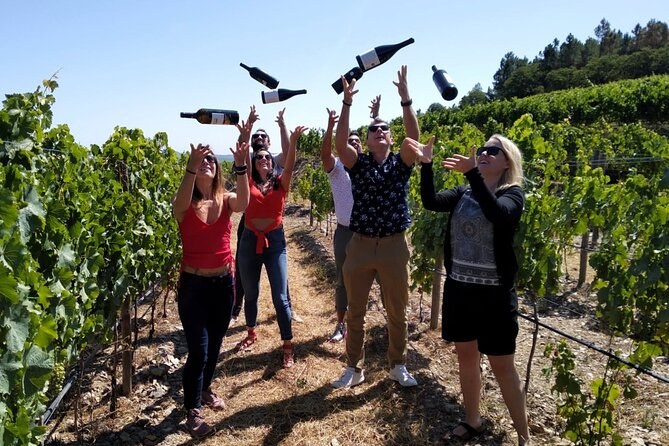
Eight seats, which matters more in the busiest month than in any other.
From $174 per person
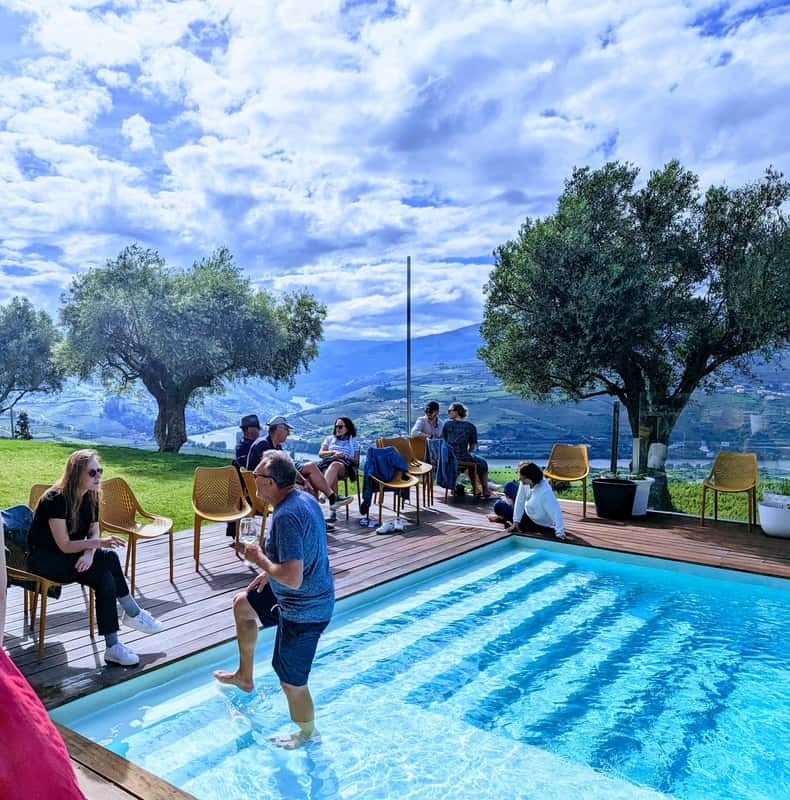
Two demarcated regions in a day, both picking, with ten wines across them.
From $110 per person